
Yunzhu New Materials logo

16 Types of Plastic Processing Techniques (Part 2)

January 30, 2026

In last week’s blog post, we introduced eight plastic processing techniques. In this article, we continue with another eight methods, and we hope you find them helpful and informative.

9. Lamination Process

Lamination combines multiple layers of the same or different materials under heat and pressure into a single product. It is commonly used for plastics and rubber.

This process is similar to compression molding but allows for multi-layer structures, whereas compression molding typically works with single-material, single-structure products.
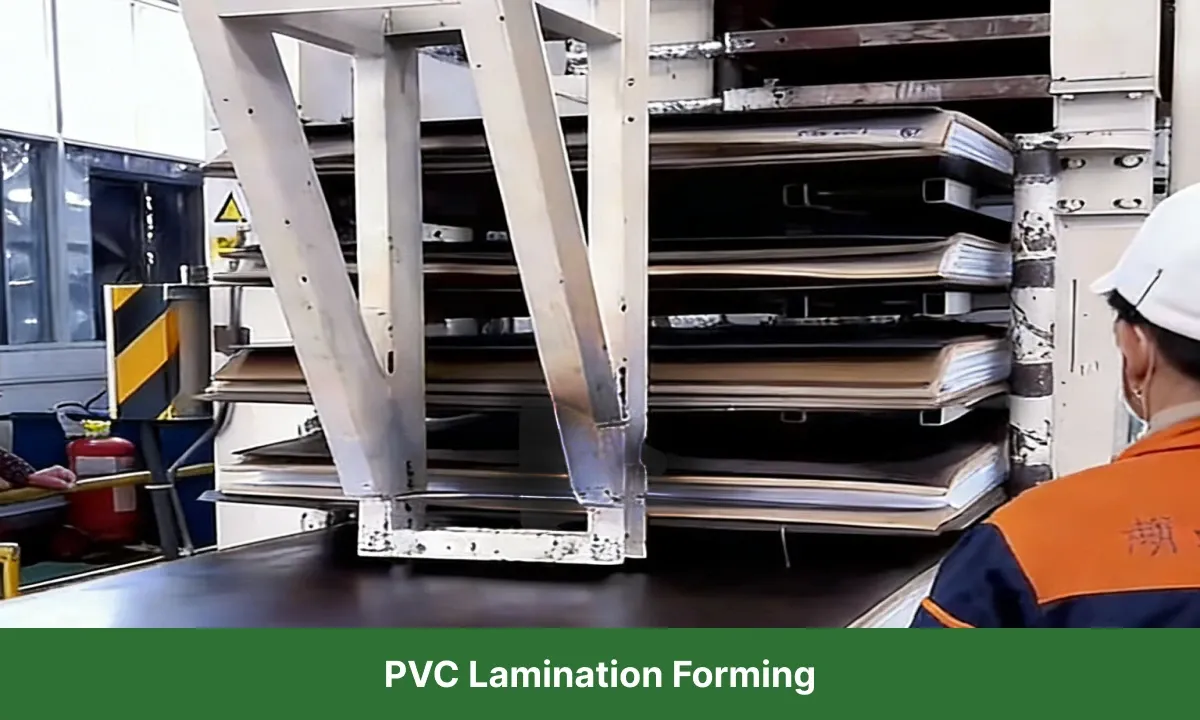
Lamination process diagram showing multiple layers of plastic or other materials being combined under heat and pressure to form a single product


10. Coating / Surface Coating Process

The coating process applies plastic or organic solutions onto substrates such as fabric or paper to produce synthetic leather, coated fabrics, or plastic wallpapers. Powder coating on metal surfaces is also part of this process.

For example, melted resin is applied to a substrate surface, then cooled and solidified to form the desired product. This process is mainly used for large, flat plastic items.
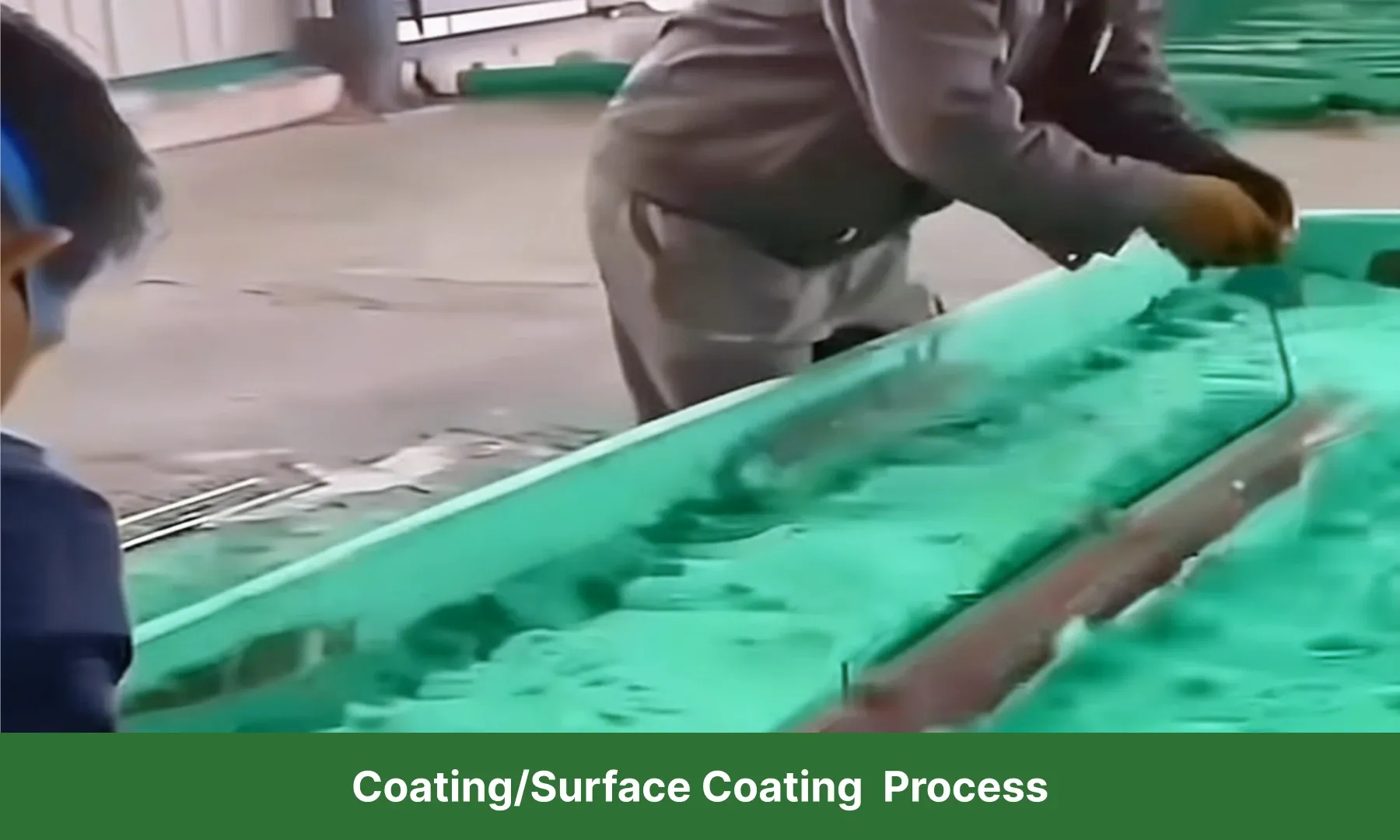
Coating process diagram showing plastic or resin applied onto substrates like fabric, paper, or metal to create synthetic leather, coated fabrics, or decorative surfaces


11. Casting Process

Casting involves pouring liquid raw materials into a mold at atmospheric pressure. The material undergoes polymerization or curing to form a product that matches the mold cavity shape. Modern casting processes can also use PVC pastes or polymer melts.

Originally developed for thermosetting plastics, casting later expanded to thermoplastics. Uncured material is placed into a mold and stimulated to react and harden, similar to the square watermelon analogy used in blow molding.
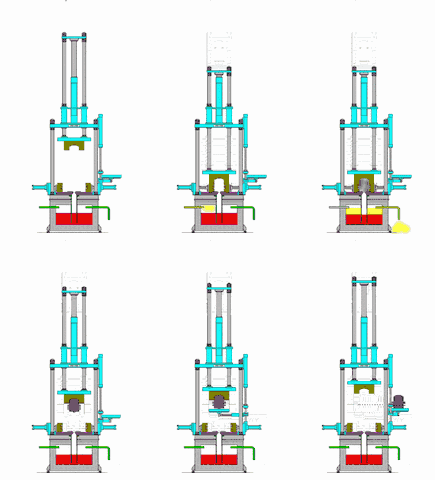
Casting process diagram showing liquid plastic material poured into a mold cavity and solidified to form a shaped plastic part


12. Drip Molding Process

This method utilizes the property of thermoplastic materials that allows them to flow when heated and solidify at room temperature. Melted material is dripped using specific tools to create shapes, then cooled to solidify.

For thermoplastic resins, this process is similar to melting wax and dripping it into molds, where it forms shapes after cooling.
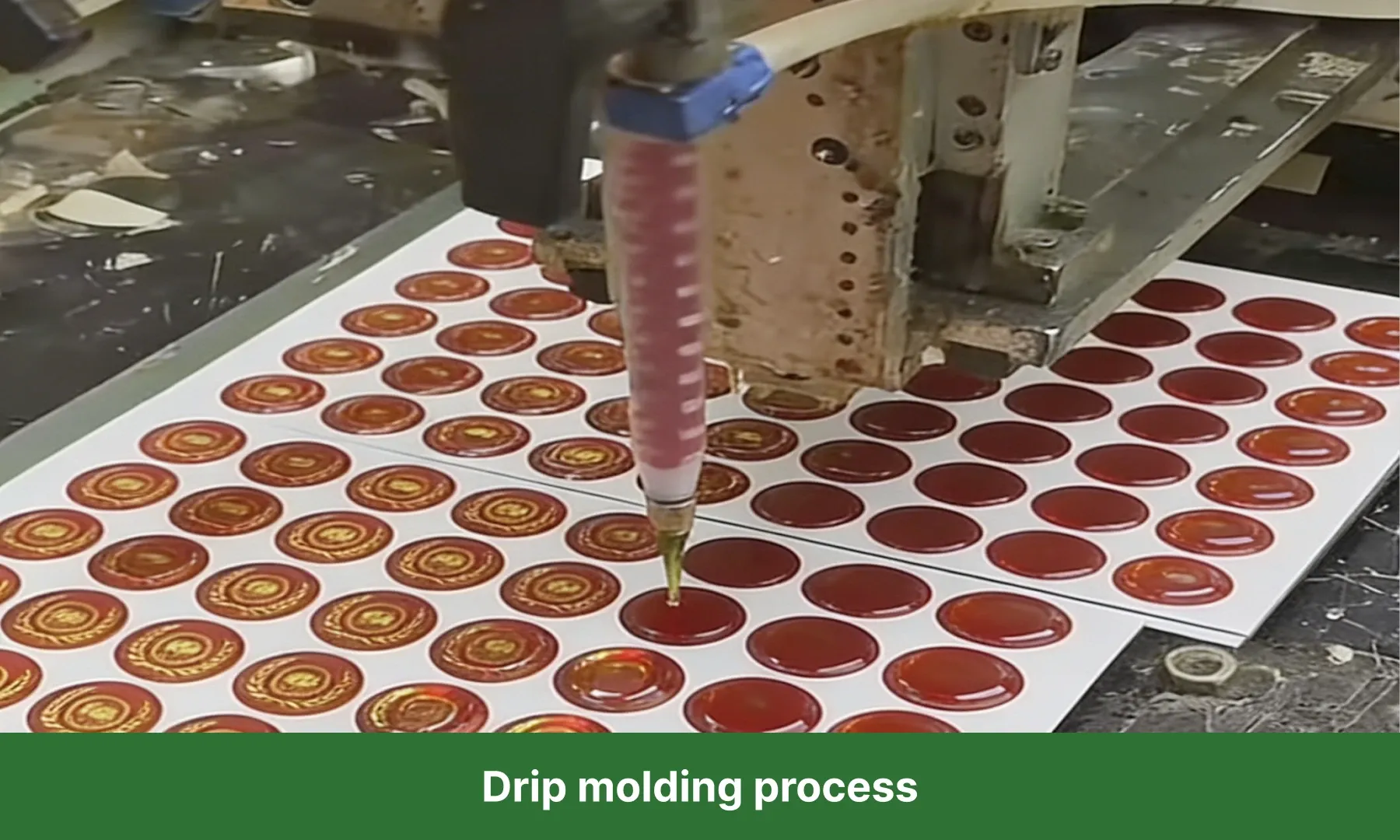
Drip molding process diagram showing thermoplastic material in a fluid state being dripped onto a mold and solidified to form shaped parts


13. Compression Thermoset Molding Process

This process is mainly used for thermosetting plastics. The material is heated until it melts, pressed inside a mold, cross-linked under heat, and then demolded to obtain the finished part.
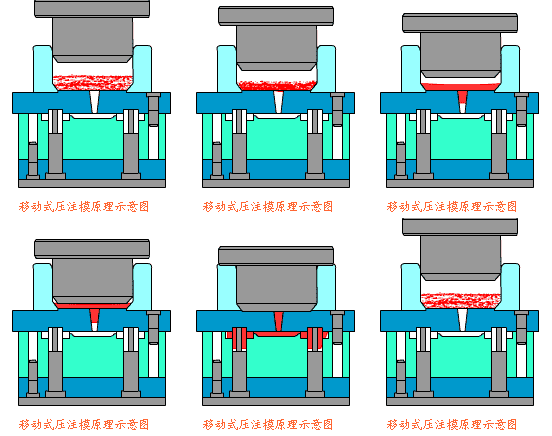
Compression thermoset molding process diagram showing heated thermoset plastic being pressed in a mold, cured, and demolded to form a finished part


14. Extrusion Press Molding Process

Extrusion press molding is a pressure-forming method in which a punch or die compresses material inside a mold, causing plastic flow to conform to the mold cavity shape.

Even materials with low plasticity can be formed using this method. Unlike blow molding, shaping relies on mold pressure rather than compressed air.
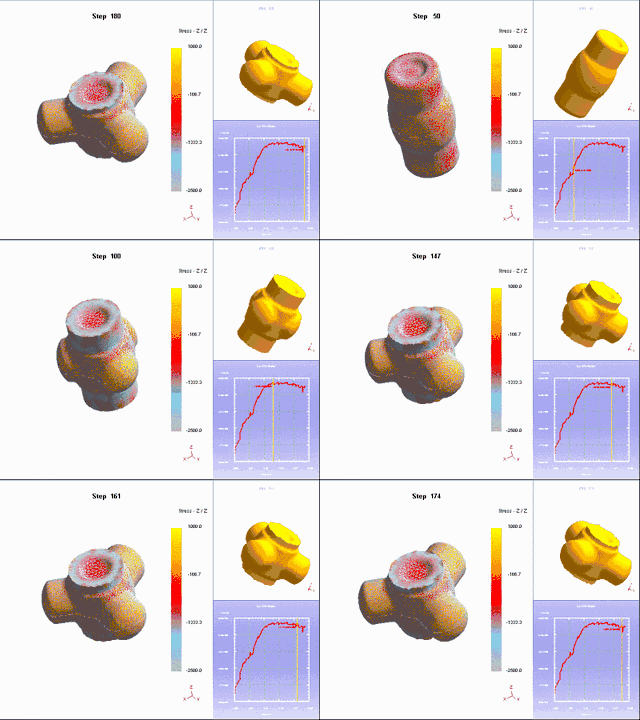
Extrusion press molding process diagram showing plastic material being pressed in a mold using a punch or die to flow into the desired shape


15. Thermoforming Process

Thermoforming shapes heated thermoplastic sheets into products by softening the sheets and pressing them into molds. After cooling, trimming produces the final parts.

This process is similar to blow molding but starts with flat sheets instead of tubular preforms.
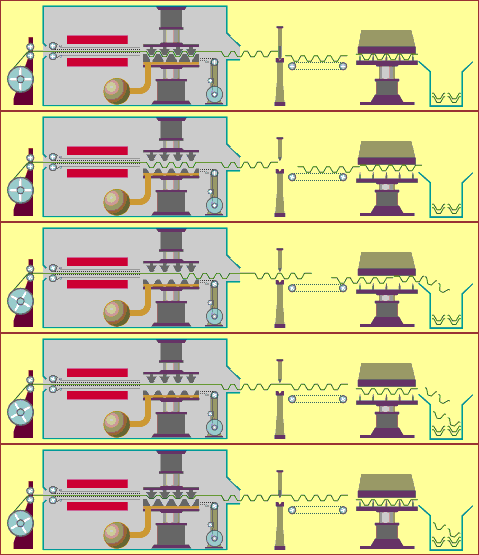
Thermoforming process diagram showing heated plastic sheets being shaped over a mold under external force and cooled to form final plastic parts


16. Hand Lay-Up Molding Process

Also known as manual lay-up or contact molding, this process involves placing reinforcement materials into a mold coated with release agent. Resin is then applied by hand until the required thickness is achieved.

After curing and demolding, the finished composite part is obtained.
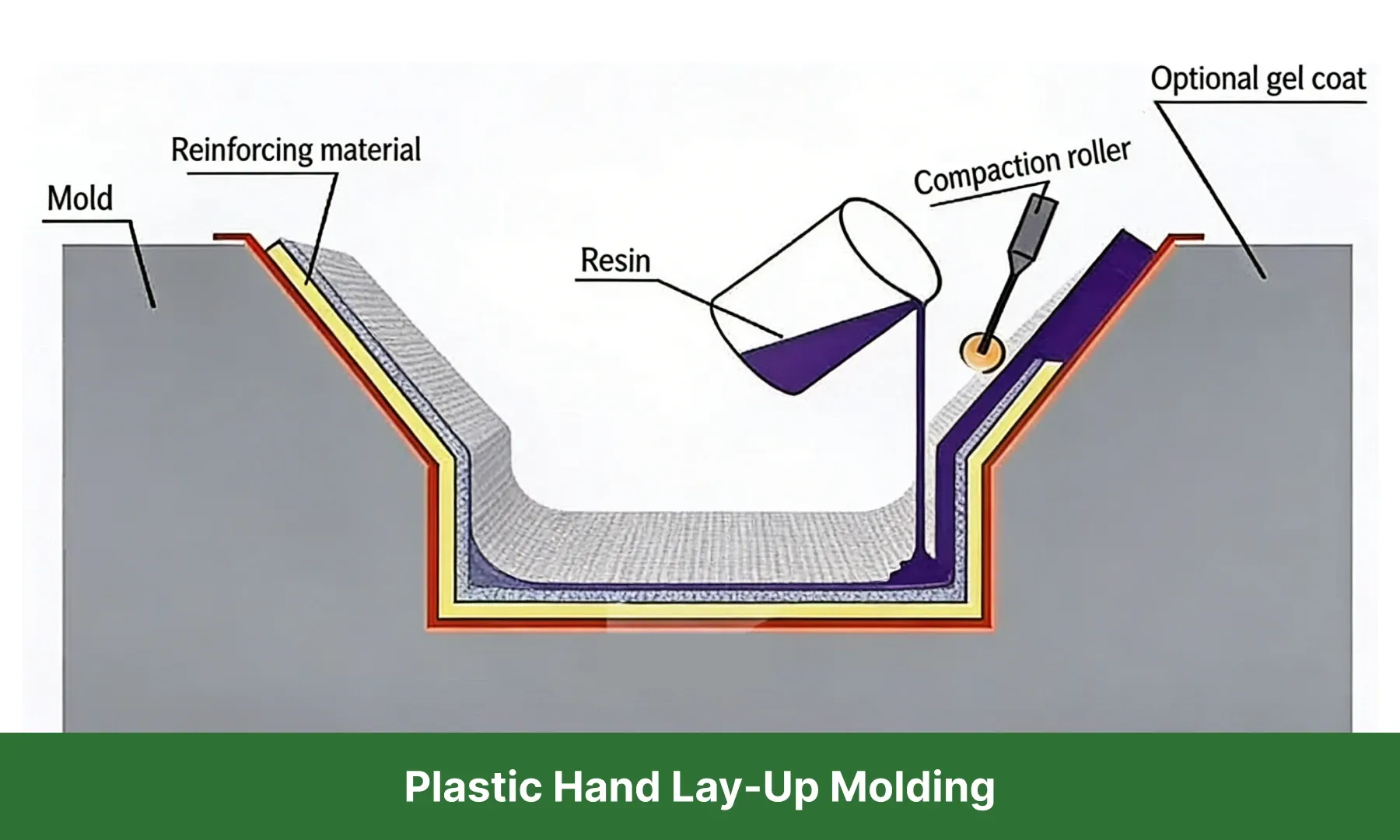
Hand lay-up molding process diagram showing resin being applied by hand onto reinforcement material in a mold and cured to form composite parts


Conclusion

Understanding processing methods creates value, while smooth production converts that value into output. Whether using injection molding, extrusion, or hand lay-up molding, mold sticking remains one of the largest hidden losses in production.

We understand this challenge and focus on developing efficient, environmentally friendly release agent solutions. Perfecting the process is your expertise—ensuring every mold opens smoothly is ours.

Related Products

Epoxy Resin Release Agent

Epoxy Resin Release Agent

This Is A Water-Based Epoxy Resin Release Agent, Dilutable 5–35 Times, Turning Into An Emulsion To Significantly Reduce Production Costs.It Delivers Superior Performance, Ensuring A Flawless, Non-Stick Release And A Smooth Finish On Final Products. As An Eco-Friendly Agent, It Is VOC-Free And Has No Irritating Odor.Easy To Apply By Spraying Or Brushing, It Is Especially Suitable For Epoxy Resin Products, And Is Also Effective For Fiberglass And Carbon Fiber Composites.If You Have Questions About The Suitability For Your Specific Epoxy Resin Application, Please Contact Us.

EVA Release Agent

EVA Release Agent

This Is A Water-Based EVA Release Agent, Which Can Be Diluted 5–35 Times To Form A Milky Emulsion, Covering Up To 20 M² Per Kilogram. It Can Be Applied By Spraying Or Brushing, Prevents Mold Sticking, And Effectively Reduces Pinholes And Bubbles While Maintaining A Glossy Surface. As An Eco-Friendly Release Agent, It Is VOC-Free And Odorless, Making It Safe For Use With Plastic Products (PE, PVC, EVA), Polyurethane Products, And Composite Materials. If You Want To Know Whether It Is Suitable For Your Plastic Materials, Feel Free To Contact Us.

PVC Release Agent

PVC Release Agent

This Is A Water-Based PVC Release Agent, Which Can Be Diluted 5–35 Times To Form A Milky Emulsion, Covering Up To 20 M² Per Kilogram. It Can Be Applied By Spraying Or Brushing, Prevents Mold Sticking, And Effectively Reduces Pinholes And Bubbles While Maintaining A Glossy Surface. As An Eco-Friendly Release Agent, It Is VOC-Free And Odorless, Making It Safe For Use With Plastic Products (PE, PVC, EVA), Polyurethane Products, And Composite Materials. If You Want To Know Whether It Is Suitable For Your Plastic Materials, Feel Free To Contact Us.

Rubber Release Agent

Rubber Release Agent

This Is An Oil-Based Rubber Release Agent Designed To Significantly Reduce Mold Sticking, Bubbles, Cracks, And Surface Defects. It Also Minimizes Carbon Buildup On Mold Surfaces During High-Temperature Vulcanization. As A Seamless Release Agent, It Is Ideal For Tire Manufacturing As Well As Silicone, Rubber Products. If You Would Like To Know Whether It Suits Your Rubber Products, Feel Free To Contact Us.

Carbon Fiber Release Agent

Carbon Fiber Release Agent

This Is An Oil-Based Carbon Fiber Release Agent That's Ready To Use. It Ensures A Flawless, Non-Stick Release And A Smooth Finish On Your Final Products. As An Eco-Friendly Release Agent, It Contains No VOCs And Has No Irritating Odor. Easy To Apply By Spraying Or Brushing, This Agent Is Ideal For Carbon Fiber. If You Have Questions About Your Specific Application, Please Contact Us.

 Glass Casting Release Agent

Glass Casting Release Agent

This is a Boron Nitride Release Agent with a high-temperature resistance of up to 1500°C. It can be diluted 5–35 times to form an Emulsion Release Agent, covering approximately 20 m² per kilogram. It effectively reduces sticking, scratches, and surface defects, keeping castings smooth and glossy. The product is VOC-free and odorless, and can be applied by spraying or brushing. It is ideal for all types of glass products, including architectural glass and decorative glass, also suitable for metal casting.If you want to check whether it is suitable for your glass products, please contact us .

WhatsApp