
Yunzhu New Materials logo
Metal die casting release agent for hardware products, ensuring smooth demolding, reducing defects, and delivering high-quality surface finish.

Metal Casting Release Agent

Boron Nitride enhanced for demanding die-casting and metalwork

【Industry Pain Points】

In recent years, high-temperature casting processes have advanced rapidly, with aluminum casting, glass casting, and various metal castings being the most common applications. During demolding, have you faced these challenges?

Surface cracks on metal die-cast par.ts caused by poor mold release agent performanceSurface bubbles on metal die-cast parts due to poor release agent.Bad odor in die-casting workshop
  • Release Agent Failure: Poor heat resistance causes decomposition at high temperatures, leading to sticking and even mold damage.
  • Surface Defects: Carbon residue at high temperatures creates scratches, pits, or pores, reducing product quality and appearance.
  • Shorter Mold Life: Frequent casting without the right release agent accelerates mold wear and increases replacement costs.
  • Efficiency & Cost Issues: Residues on molds or castings require extra cleaning, lowering efficiency and raising production costs.

【Product Introduction】

To address these industry challenges, we have developed a new generation of high-temperature casting release agent through multiple improvements. The formula includes hexagonal boron nitride (h-BN), offering excellent heat resistance, stability, and oxidation protection. It effectively prevents sticking, pits, scratches, and pores, ensuring smooth and consistent casting surfaces. Using our high-temperature release agent reduces stubborn residues, protects molds, minimizes downtime, and improves production efficiency. Suitable for a wide range of high-temperature casting processes, it is a high-performance solution designed for extreme casting conditions.

Product introduction image
PropertyDetails
Chemical PropertiesEmulsion Release Agent, Water-Based Release Agent, Sacrificial Release Agent, Boron Nitride (BN) Release Agent
Applicable IndustriesMetal Casting Industry, Glass Forming Industry, High-Temperature Ceramic Forming Industry, High-Temperature Composite Materials Industry, Chemical Product Distributors
Specific ApplicationsEngine Blocks, Cylinder Heads, Transmission Housings, Wheel Hubs, Premium Housings for Laptops, Tablets, and Smartphones, LED Heat Sinks, Stainless Steel Parts, Faucets, Door Handles, Locks, Hinges, Water Pumps, and Valves, Architectural Glass, Glass Containers, and Decorative Glass.Etc

【Product List】

Aluminum alloy release agent for hardware products

Aluminum Alloy Release Agent

Glass casting release agent for non-food glass products

Glass Casting Release Agent

Metal die casting release agent for stainless steel hardware valve

Metal Casting Release Agent

【Product Advantages】

The excellence of our high-temperature casting release agent comes from its unique core advantages:

  1. 1. Excellent High-Temperature Resistance

    This is a Boron Nitride Release Agent, with a heat resistance of up to 1500°C, capable of handling aluminum alloys, various metals, and glass with high melting points. It maintains stable release performance under extreme temperatures, remaining non-decomposing, effective, and oxidation-resistant.

  2. 2. Superior Release Performance & Surface Quality

    Our high-temperature release agent functions as a Non-Marking Release Agent, significantly reducing friction between molds and castings. This allows castings to separate completely, avoiding sticking, scratches, and surface defects. The smooth surface minimizes post-processing such as grinding and finishing, greatly improving production efficiency.

  3. 3. Wide Range of Applications

    This product is suitable not only for aluminum alloy casting but also for copper, iron, titanium alloys, and other metal castings. It is also ideal for use in the glass forming industry.

  4. 4. Eco-Friendly & Easy to Use

    Our high-temperature release agent is a water-based formula, becoming an Emulsion Release Agent after dilution. It is VOC-free, odorless, environmentally friendly, and safe. Easy to spray or brush, it forms a uniform coating and effectively improves production efficiency.

  5. 5. Compatible with Various High-Temperature Casting Processes

    This product works reliably with multiple high-temperature casting processes. Whether for traditional gravity casting, high and low-pressure casting, or precision processes such as hot bending, hot melting, and embossing, it delivers consistent and stable release performance.

  6. 6. Mold Protection & Extended Service Life

    Our product also serves as an Anti-Corrosion Release Agent, forming a uniform protective layer on the mold surface. It effectively isolates high-temperature materials, prevents oxidation and corrosion, and extends mold life, reducing production costs.

【Service Process】

We are not only professional release agent manufacturers in China but also your long-term partner. We offer cost-effective release agents and provide custom release agent solutions tailored to your specific needs

1

Requirement Discussion:

Gain a clear understanding of your production process and specific requirements.

2

Customized solution:

Select the most suitable product and define price, quantity, performance, and usage method.

3

Product Delivery:

Arrange safe logistics for global customers.

4

Technical Support:

Provide technical assistance or on-site service to ensure optimal results.

We are committed to bringing you an excellent production experience through professional services and high-quality products!

【FAQ】

  • Are you a factory or a trading company

  • What types of concrete release agents do you offer?

  • How do I solve difficult demolding and concrete sticking issues?

  • How can I eliminate air bubbles (blowholes) and pitting on the concrete surface?

  • Which mold types are your products compatible with?Is it suitable for wooden formwork?

  • What are the benefits of using an oil-based release agent (shuttering oil)?

  • Do you have solutions for complex or irregularly shaped concrete molds?

【Related Articles】

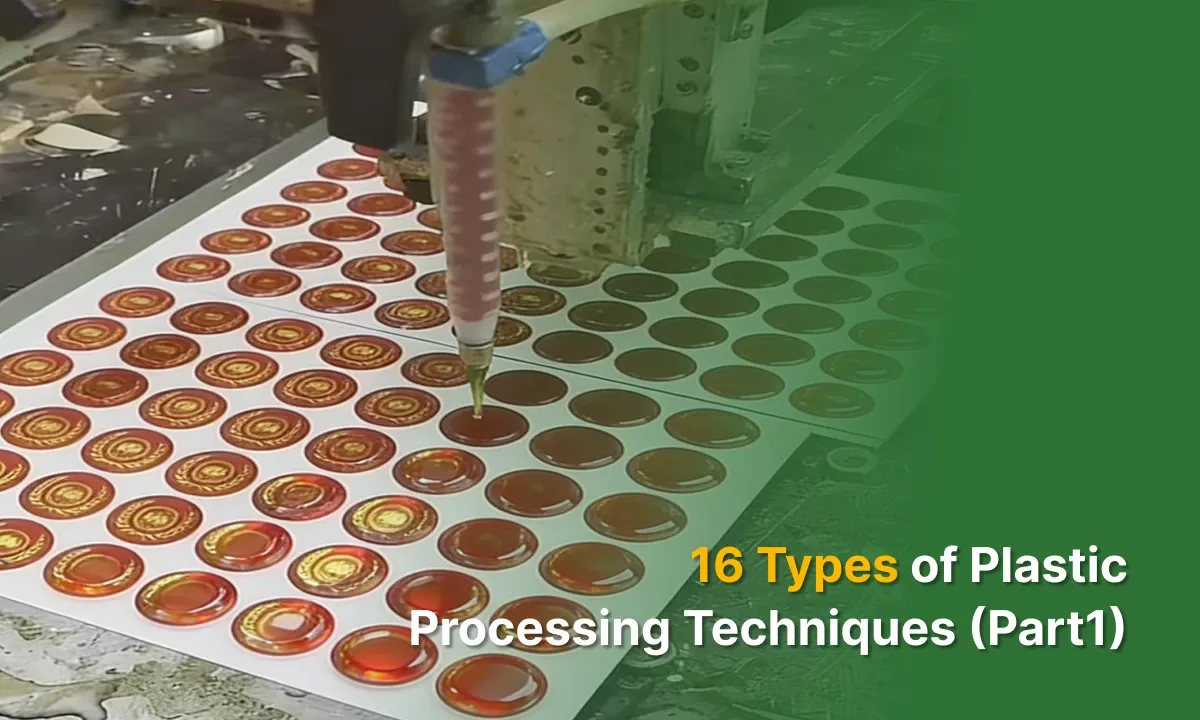
16 Types of Plastic Processing Techniques (Part 1)

16 Types of Plastic Processing Techniques (Part 1)

Plastic molding starts with the right process selection and succeeds with smooth demolding. We have compiled the 16 most comprehensive plastic processing techniques in the industry to help you understand manufacturing logic. However, remember: no matter which process you choose, the application of plastic release agents, rubber release agents, and composite material release agents is especially important. Understanding the process ensures you make the right product, while choosing our high-quality release agents guarantees every mold opens smoothly, allowing productivity and quality to improve simultaneously.


Complete Guide to Release Agent Selection: From Types to Practical Selection Tips

Complete Guide to Release Agent Selection: From Types to Practical Selection Tips

In molding and forming processes, release agents play a critical role. Yunzhu New Materials has been engaged in the production of release agents for many years. Throughout this journey, we have encountered a wide range of demolding challenges and shared extensive hands-on experience, helping many customers grow from having zero experience to becoming true release agent experts. In this article, we provide a comprehensive overview of release agent types, aiming to help customers identify the most suitable solution to ensure smooth and efficient production.

High-Resilience PU Foam Defects & Solutions for Automotive Seats

High-Resilience PU Foam Defects & Solutions for Automotive Seats

High-resilience polyurethane (HR PU) foam has become the most widely used foaming material for automotive seats and headrests due to its excellent comfort performance and cost efficiency. However, in actual production, factors such as raw material quality, process parameters, mold condition, and release agent selection often lead to defects including shrinkage, collapse, surface defects, tearing, and delamination, directly affecting seat appearance and overall quality. This article analyzes the manufacturing process of automotive PU foam, summarizes common defects in high-resilience polyurethane foam production, and provides practical solutions focusing on process optimization and PU foam release agent selection.

WhatsApp