
Yunzhu New Materials logo
Rubber release agent for tire manufacturing, ensuring smooth demolding, reducing defects, and delivering durable high-quality rubber surfaces.

High-Performance Rubber Release Agent

Low build-up solutions to extend mold cleaning intervals

【Industry Pain Points】

When molding rubber products like tires and shoe soles, rubber mold release agents are essential. However, the demolding process often presents several challenges:

Surface cracks on rubber products caused by poor release agentUneven surface on rubber products due to poor release agentRubber product sticking to mold due to poor release agentUnpleasant odor in rubber workshop caused by release agents
  • Product Defects: Using an inappropriate mold release agent can cause surface imperfections such as air bubbles, cracks, or uneven textures, directly impacting product quality.
  • Residue Buildup: Poor-quality release agents can leave residue on the product surface, affecting its appearance and interfering with subsequent processes like painting or bonding.
  • Mold Contamination: Improperly formulated release agents can lead to the buildup of deposits, forming "carbon" or "black spots" on the mold. This requires frequent cleaning, causing production downtime and reducing efficiency.
  • Health and Environmental Risks: Some traditional mold release agents contain VOCs, posing health risks to workers and causing environmental pollution.

【Product Introduction】

Our new rubber mold release agent is the result of practical experience, specifically engineered to solve the common issues with traditional agents. By adding a special lubricating component, it effectively reduces sticking to the mold and significantly cuts down on common defects like air bubbles, cracks, and uneven surfaces. This not only dramatically lowers the scrap rate but also boosts overall demolding efficiency, making your production process smoother and ensuring higher quality products.

Product introduction image
PropertyDetails
Chemical PropertiesEmulsion Release Agent , Water-Based Release Agent or Oil-based Release Agent,Silicone Release Agent
Applicable IndustriesFootwear Industry, Tire Manufacturing, Rubber Products Manufacturing, Automotive Interiors, Furniture Industry, Toy Industry, Chemical Product Distributors, Etc.
Specific ApplicationsTires, Shoe Soles, Seals, Rubber Gloves, Rubber Handles, Etc

【Product List】

Rubber release agent for tire production

Rubber Release Agent

Rubber release agent for shoe sole production

Rubber Release Agent for Shoe Sole

【Product Advantages】

Our rubber release agents stand out due to their unique core advantages:

  1. 1. Reduce Defects

    Our Seamless Release Agent offers excellent adhesion and release performance, minimizing sticking, pinholes, bubbles, surface irregularities, and tearing. This ensures higher product quality and supports smoother post-processing.

  2. 2. Extend Mold Life & Lower Maintenance Costs

    Our Anti-Corrosion Release Agent forms a uniform and stable protective film on the mold surface, effectively isolating active ingredients in rubber that cause mold damage. It reduces carbon buildup and black spots, lowers cleaning frequency, minimizes downtime, and boosts production efficiency.

  3. 3. Save Cleaning Time & Reduce Downtime

    With less mold buildup, cleaning frequency is reduced by 40%–80%, saving significant labor and time costs while maximizing productivity.

  4. 4. Eco-Friendly & Health-Safe

    We specialize in Eco-Friendly Release Agents that are VOC-free and non-corrosive. They significantly improve workshop air quality and safeguard worker health.

  5. 5. Fast Drying for Higher Efficiency

    Our release agents dry quickly—within as little as 3 minutes—greatly enhancing overall production efficiency.

【Service Process】

We are not only professional release agent manufacturers in China but also your long-term partner. We offer cost-effective release agents and provide custom release agent solutions tailored to your specific needs

1

Requirement Discussion:

Gain a clear understanding of your production process and specific requirements.

2

Customized solution:

Select the most suitable product and define price, quantity, performance, and usage method.

3

Product Delivery:

Arrange safe logistics for global customers.

4

Technical Support:

Provide technical assistance or on-site service to ensure optimal results.

We are committed to bringing you an excellent production experience through professional services and high-quality products!

【FAQ】

  • Are you a factory or a trading company

  • What types of concrete release agents do you offer?

  • How do I solve difficult demolding and concrete sticking issues?

  • How can I eliminate air bubbles (blowholes) and pitting on the concrete surface?

  • Which mold types are your products compatible with?Is it suitable for wooden formwork?

  • What are the benefits of using an oil-based release agent (shuttering oil)?

  • Do you have solutions for complex or irregularly shaped concrete molds?

【Related Articles】

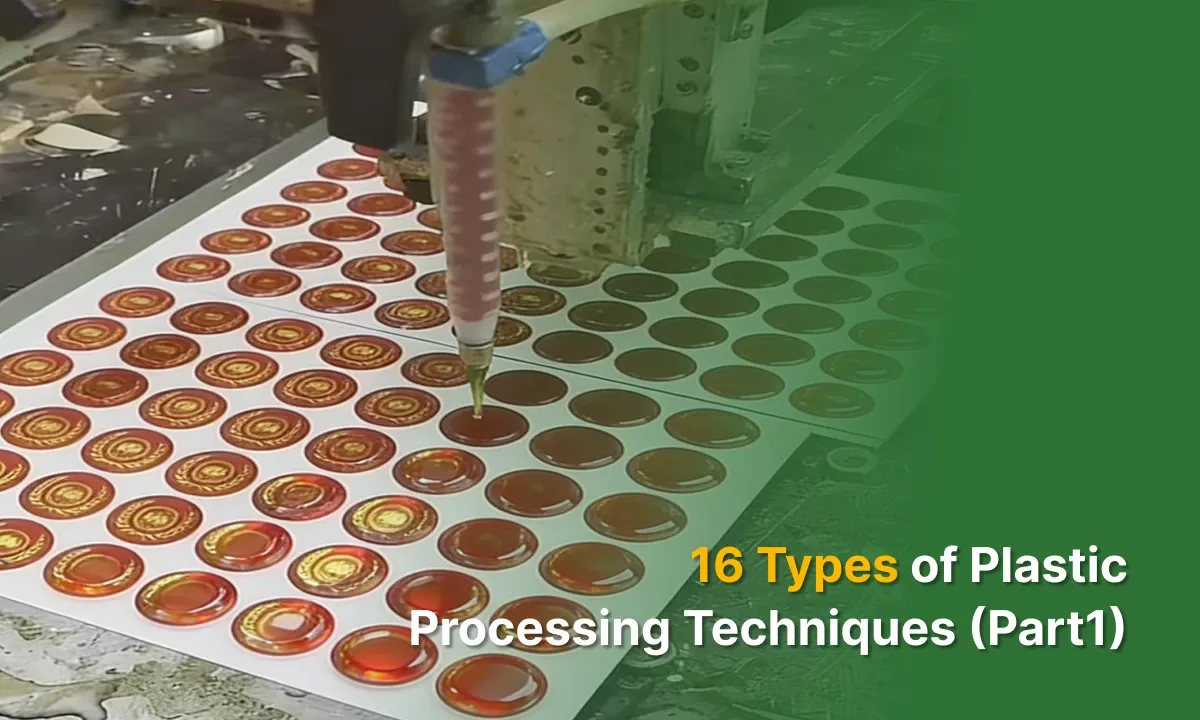
16 Types of Plastic Processing Techniques (Part 1)

16 Types of Plastic Processing Techniques (Part 1)

Plastic molding starts with the right process selection and succeeds with smooth demolding. We have compiled the 16 most comprehensive plastic processing techniques in the industry to help you understand manufacturing logic. However, remember: no matter which process you choose, the application of plastic release agents, rubber release agents, and composite material release agents is especially important. Understanding the process ensures you make the right product, while choosing our high-quality release agents guarantees every mold opens smoothly, allowing productivity and quality to improve simultaneously.


Complete Guide to Release Agent Selection: From Types to Practical Selection Tips

Complete Guide to Release Agent Selection: From Types to Practical Selection Tips

In molding and forming processes, release agents play a critical role. Yunzhu New Materials has been engaged in the production of release agents for many years. Throughout this journey, we have encountered a wide range of demolding challenges and shared extensive hands-on experience, helping many customers grow from having zero experience to becoming true release agent experts. In this article, we provide a comprehensive overview of release agent types, aiming to help customers identify the most suitable solution to ensure smooth and efficient production.

High-Resilience PU Foam Defects & Solutions for Automotive Seats

High-Resilience PU Foam Defects & Solutions for Automotive Seats

High-resilience polyurethane (HR PU) foam has become the most widely used foaming material for automotive seats and headrests due to its excellent comfort performance and cost efficiency. However, in actual production, factors such as raw material quality, process parameters, mold condition, and release agent selection often lead to defects including shrinkage, collapse, surface defects, tearing, and delamination, directly affecting seat appearance and overall quality. This article analyzes the manufacturing process of automotive PU foam, summarizes common defects in high-resilience polyurethane foam production, and provides practical solutions focusing on process optimization and PU foam release agent selection.

WhatsApp