
Complete Guide to Release Agent Selection: From Types to Practical Selection Tips
In molding and forming processes, release agents play a critical role. Yunzhu New Materials has been engaged in the production of release agents for many years. Throughout this journey, we have encountered a wide range of demolding challenges and shared extensive hands-on experience, helping many customers grow from having zero experience to becoming true release agent experts. In this article, we provide a comprehensive overview of release agent types, aiming to help customers identify the most suitable solution to ensure smooth and efficient production.
1. What Is a Release Agent?
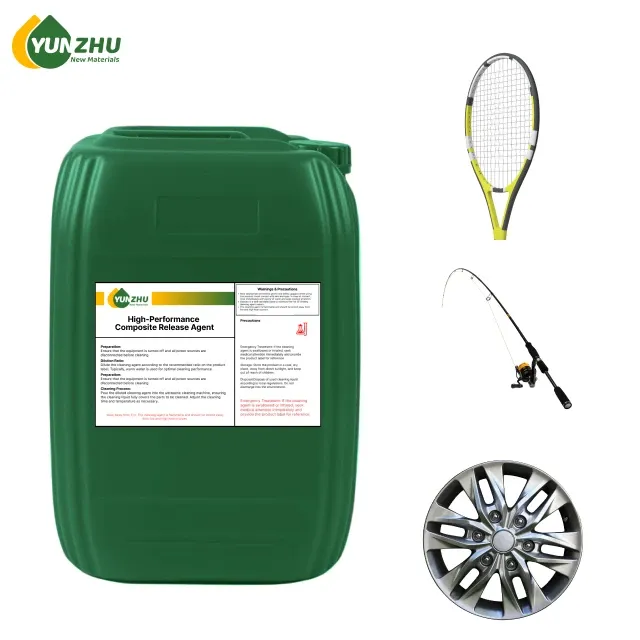
A release agent, also known as a mold release agent, separating agent, or anti-adhesive agent, is a functional material applied to the surface of molds or formwork to prevent products from sticking to the mold.
It forms a thin isolation film between the mold and the molded product, allowing easy demolding while ensuring the mold can be reused repeatedly.
2. Core Functions of Release Agents
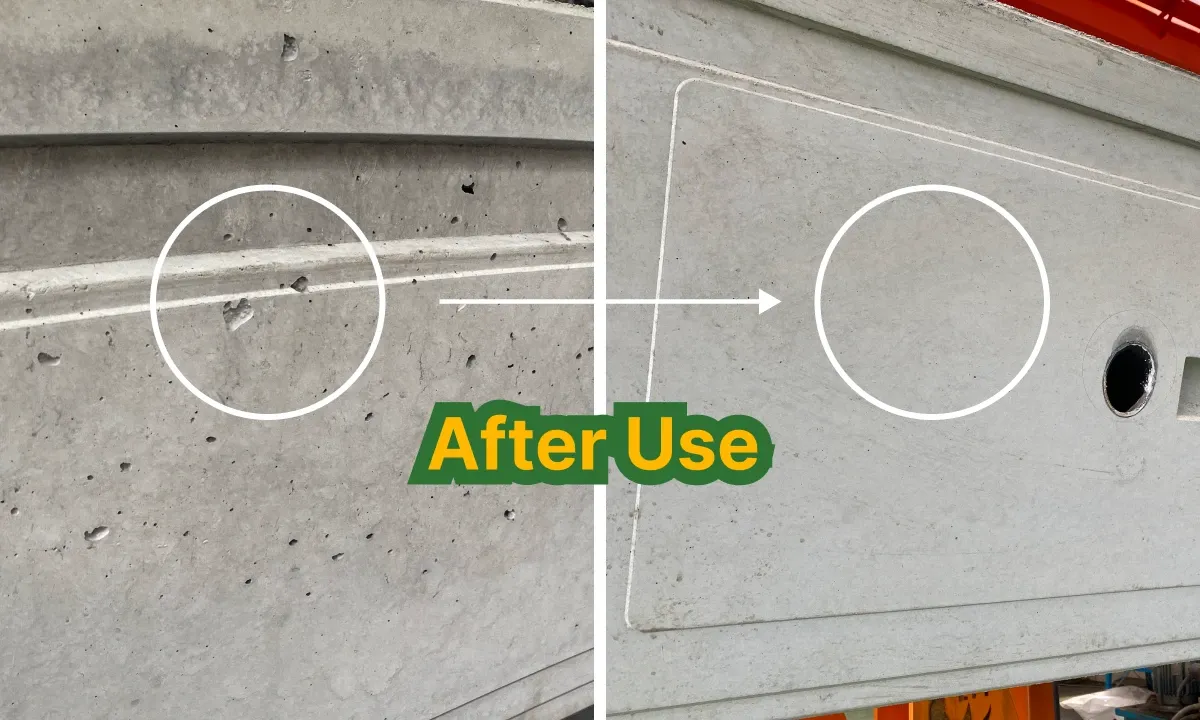
- Easy Demolding: Reduces adhesion between the product and the mold, preventing damage to finished products.
- Improved Product Quality: Ensures smoother surfaces, better finish, and more stable dimensions.
- Mold Protection: Minimizes corrosion and contamination of molds, extending mold service life.
- Post-Processing Compatibility: Does not interfere with secondary processes such as painting, printing, bonding, or coating.
3. Main Types of Release Agents
3.1 Classification of Release Agents by Medium
| Type | Description |
|---|---|
| Solvent-Based Release Agents | Traditional release agents where solvents carry active ingredients to the mold surface, forming a barrier film after evaporation. Advantages include fast drying, but they have high VOC emissions and poor environmental performance. |
| Water-Based Release Agents | Uses water as the dispersion medium, featuring low VOC content and improved environmental safety. This is the current mainstream development trend, though it requires more energy for drying. |
| Solvent-Free Release Agents | Contains 100% active ingredients with zero VOC emissions, offering the best environmental performance. These come in various forms, such as pastes and powders. |
3.2 Classification by Active Ingredients
| Type | Description |
|---|---|
| Silicone-Based | Excellent release performance and broad temperature range, but may affect post-processing like painting or bonding. Commonly used for rubber, plastics, and PU products. |
| Fluorine-Based | Features extremely low surface energy and superior release effects at a higher price point. Ideal for high-precision products like composites, electronic packaging, and optics. |
| Wax-Based | Economical and easy to use, but with limited heat resistance. Primarily used for low-temperature applications or budget-conscious requirements. |
3.3 Classification by Application Method
| Type | Description | Typical Industries |
|---|---|---|
| External Release Agents | Sprayed or wiped onto the mold surface | Vast majority of industries |
| Internal Release Agents | Mixed directly into raw materials (internal PU, rubber) | PU foaming, rubber products |
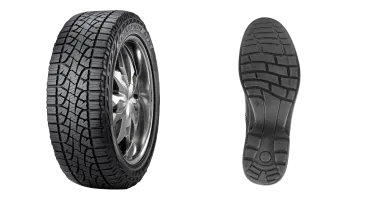
| Hybrid / Composite (Internal & External) | Combined internal and external systems | PU wood imitation, footwear materials |

3.4 Classification by Durability (for Wind Power / Composites)
| Type | Features | Typical Applications |
|---|---|---|
| Semi-permanent | Ultra-thin film; one application allows for multiple releases | Composites, wind turbine blades, automotive interiors |
| Every-shot | Must be sprayed before every molding cycle | Injection molding, rubber, PU |
4. How to Choose the Right Release Agent?
4.1 Based on Molding Process
| Material | Recommended System | Reason / Benefit |
|---|---|---|
| Rubber | PDMS / Metallic Soap / Paste Wax | High temperature resistance; strong release required |
| Polyurethane (PU) | Internal + External (Non-silicone) | Prevents defects in painting or bonding |
| Composites (SMC / BMC) | Semi-permanent Fluorocarbon | Requires high gloss; no spray spots |
| Wind Turbine Blades | Fluorocarbon Semi-permanent + Mold Primer | Large surface area; high surface finish |
| Die Casting (Al / Mg) | High-temp Graphite / Synthetic Oil | Operating temperature ≥ 400°C |
| Engineering Plastics (PA, PC, PBT) | Low-migration Silicone / Silicone-free | Avoids surface oil defects |

4.2 Based on Mold Material
| Mold Material | Key Considerations |
|---|---|
| Metal Molds | Highest compatibility; suitable for almost all types |
| Epoxy / Composite Molds | Avoid strong solvents; semi-permanent systems recommended |
| Silicone Molds | Avoid silicone oil (causes swelling); suggest non-silicone systems |
4.3 Based on Operating Temperature
| Operating Temperature | Recommended System |
|---|---|
| < 150°C | Water-based Wax / Economical Silicone |
| 150–250°C | High Molecular Weight Silicone / Polyether Modified Silicone |
| 250–350°C | Fluorocarbon / PFPE (Perfluoropolyether) |
| > 400°C | Boron Nitride / Graphite |
5. Common Issues When Using Release Agents
5.1 Residue on Finished Products?
This is usually caused by excessive application of the release agent or insufficient drying time. Apply evenly and ensure the release agent is fully dried before molding.
5.2 Difficult Demolding?
This may result from improper release agent selection or insufficient dosage. Re-evaluate the release agent type and adjust the application amount as needed.
5.3 Interference with Secondary Processing?
Silicone migration may lead to difficulties in subsequent processes such as painting, bonding, or coating. Consider using a silicone-free release agent or applying appropriate surface treatment.
5.4 Mold Build-Up or Fouling?
This is caused by the accumulation of release agent components on the mold surface. Select a release agent with better high-temperature resistance and strengthen regular mold maintenance.
6. Application Tips
- Clean the Mold: Ensure the mold surface is clean and free of contaminants before application.
- Thin and Even Application: Apply a thin, uniform coating to avoid overuse.
- Allow Complete Drying: Make sure the release agent is fully dry before starting the molding process.
- Regular Maintenance: Periodically clean the mold thoroughly to prevent release agent build-up.
Conclusion
Selecting the right release agent and applying it correctly can significantly improve product quality and production efficiency. With increasingly strict environmental regulations, environmentally friendly solutions such as water-based and solvent-free release agents will become the future trend of the industry.
If you encounter any issues related to release agent selection or application during production, feel free to reach out and discuss them with us. Our engineering team is ready to provide professional solutions tailored to your specific requirements.

Marco Zhang
Co-founder & Product Engineer at Yunzhu
Identifying the right release agent shouldn't be a gamble. With 7+ years in chemical engineering, I help manufacturers in Concrete, PU, and Composites industries eliminate air bubbles and sticking issues. At Yunzhu New Materials, we don't just sell chemicals; we provide demolding solutions. We specialize in: 1.Water-based Concrete Release Agents (Eco-friendly & High Gloss) 2.Carbon Fiber & Composite Solutions 3.Custom formulation for specific temperature/mold requirements I bridge the gap between Chinese manufacturing efficiency and global quality standards. Whether you need a free sample test or technical advice on mold maintenance, feel free to reach out.
View LinkedIn Profile

