
Yunzhu New Materials logo
EVA release agent used for shoe soles and EVA shoes molding
EVA release agent used for shoe soles and EVA shoes molding image
EVA release agent used for EVA sandals molding image
EVA release agent used for EVA slippers molding image
EVA release agent used for EVA sole molding image

EVA Release Agent for Shoe Sole

This Is An Oil-Based EVA Shoe Sole Release Agent. It Can Be Ready-To-Use, No Dilution Required. It Effectively Prevents Material Sticking, Reduces Common Defects Such As Pinholes And Bubbles, And Ensures A Glossy Product Surface. Easy To Use With No Residue Left Behind. As An Eco-Friendly Release Agent, It Is VOC-Free And Odorless, Making It Safe And Compliant With Green Production Standards. Suitable For EVA Shoe Soles, PVC Shoe Soles, Polyurethane Shoe Soles, And Rubber Shoe Soles. If You Would Like To Know Whether Your Polyurethane Materials Are Suitable For This Product, Please Feel Free To Contact Us.

Leave a Message

Advantages of this Solvent Based Concrete Stripper

  • Maintain Glossy Surface, Using this High-Gloss Release Agent makes finished products brighter and more refined.
  • Reduce Defects, Advanced emulsification technology ensures smooth demolding, minimizing pinholes, bubbles, and other defects.
  • No Residue, Clean release with no residue, ensuring stable product quality and smooth post-processing.
  • Easy to Use, Ready to apply without dilution
  • Fast Drying,Dries in as little as 3 minutes, boosting overall production efficiency.
  • Eco-Friendly,Biodegradable, VOC-free, and odorless, improving workplace air quality and meeting green production standards.
  • Mold Protection,As an Anti-Corrosion Release Agent, it prevents mold rust and extends mold life.
  • Versatile Applications,EVA Shoe Soles,Polyurethane Shoe Soles, Rubber Shoe Soles, PVC Shoe Soles, Etc.
  • Stable Storage,Uniform liquid consistency, suitable for automatic spraying.

Product Parameters

Model
JA-6044
Origin
China
Applications
EVA Shoe Soles,Polyurethane Shoe Soles, Rubber Shoe Soles, PVC Shoe Soles, Etc.
Properties
Oil-Based Release Agent, Sacrificial Release Agent, Silicone Release Agent
PH
Neutral
Dilution Ratio
Dilute with about 10% water
Flash Point
<63℃
Freezing Point
-10℃
Use Temperature
70-250℃
Package
50kg/barrel,200kg/barrel
Storage
In a cool, dry place indoors
Transportation
7-20 days
Shelf Life
12 months

How to Use

  • 1
    Clean the Mold : Clean the mold surface and wipe it with a clean cotton cloth.
  • 2
    Apply the Mold Release Agent : Spray or brush the mold release agent evenly over the entire mold surface.
  • 3
    Hot Pess the Model : Wait for a complete film of the mold release agent to form on the mold surface, then begin hot pressing the model.

Certificate

water-based-release-agent-sgs-certificate.webp certificate
SGS certified water-based release agent

FAQ

  • Are you a factory or a trading company

  • What types of concrete release agents do you offer?

  • How do I solve difficult demolding and concrete sticking issues?

  • How can I eliminate air bubbles (blowholes) and pitting on the concrete surface?

  • Which mold types are your products compatible with?Is it suitable for wooden formwork?

  • What are the benefits of using an oil-based release agent (shuttering oil)?

  • Do you have solutions for complex or irregularly shaped concrete molds?

Related Articles

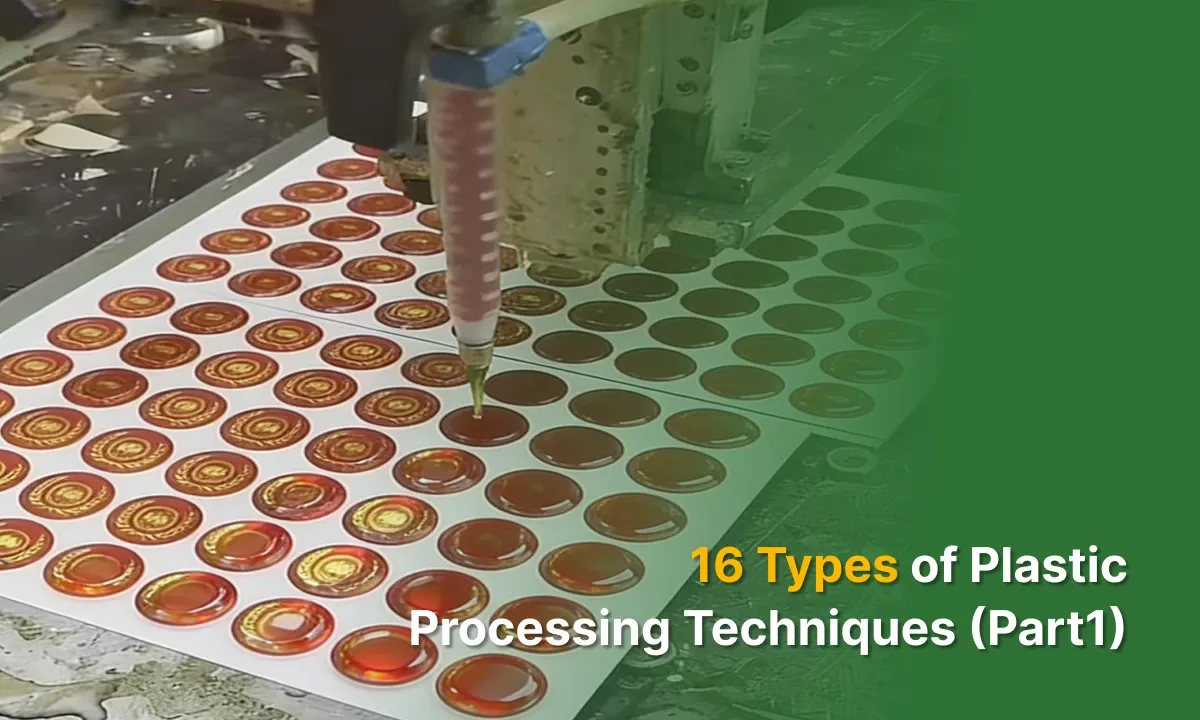
16 Types of Plastic Processing Techniques (Part 1)

16 Types of Plastic Processing Techniques (Part 1)

Plastic molding starts with the right process selection and succeeds with smooth demolding. We have compiled the 16 most comprehensive plastic processing techniques in the industry to help you understand manufacturing logic. However, remember: no matter which process you choose, the application of plastic release agents, rubber release agents, and composite material release agents is especially important. Understanding the process ensures you make the right product, while choosing our high-quality release agents guarantees every mold opens smoothly, allowing productivity and quality to improve simultaneously.
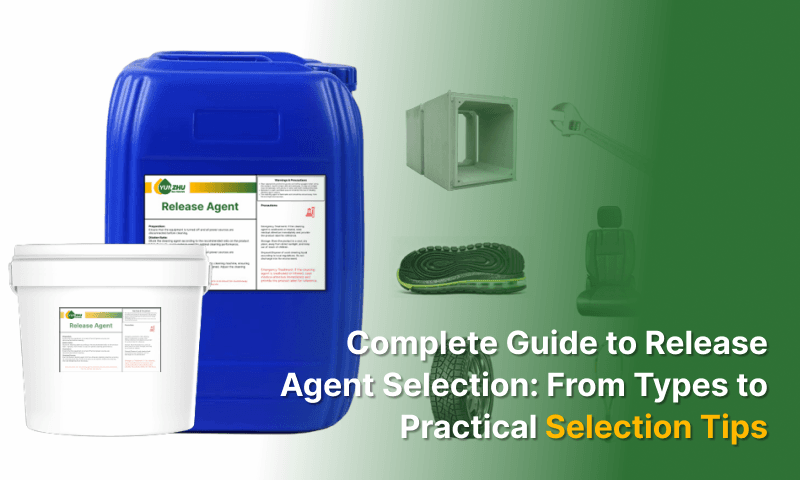

Complete Guide to Release Agent Selection: From Types to Practical Selection Tips

Complete Guide to Release Agent Selection: From Types to Practical Selection Tips

In molding and forming processes, release agents play a critical role. Yunzhu New Materials has been engaged in the production of release agents for many years. Throughout this journey, we have encountered a wide range of demolding challenges and shared extensive hands-on experience, helping many customers grow from having zero experience to becoming true release agent experts. In this article, we provide a comprehensive overview of release agent types, aiming to help customers identify the most suitable solution to ensure smooth and efficient production.

High-Resilience PU Foam Defects & Solutions for Automotive Seats

High-Resilience PU Foam Defects & Solutions for Automotive Seats

High-resilience polyurethane (HR PU) foam has become the most widely used foaming material for automotive seats and headrests due to its excellent comfort performance and cost efficiency. However, in actual production, factors such as raw material quality, process parameters, mold condition, and release agent selection often lead to defects including shrinkage, collapse, surface defects, tearing, and delamination, directly affecting seat appearance and overall quality. This article analyzes the manufacturing process of automotive PU foam, summarizes common defects in high-resilience polyurethane foam production, and provides practical solutions focusing on process optimization and PU foam release agent selection.

WhatsApp